
Fort Pierce Storm Damage
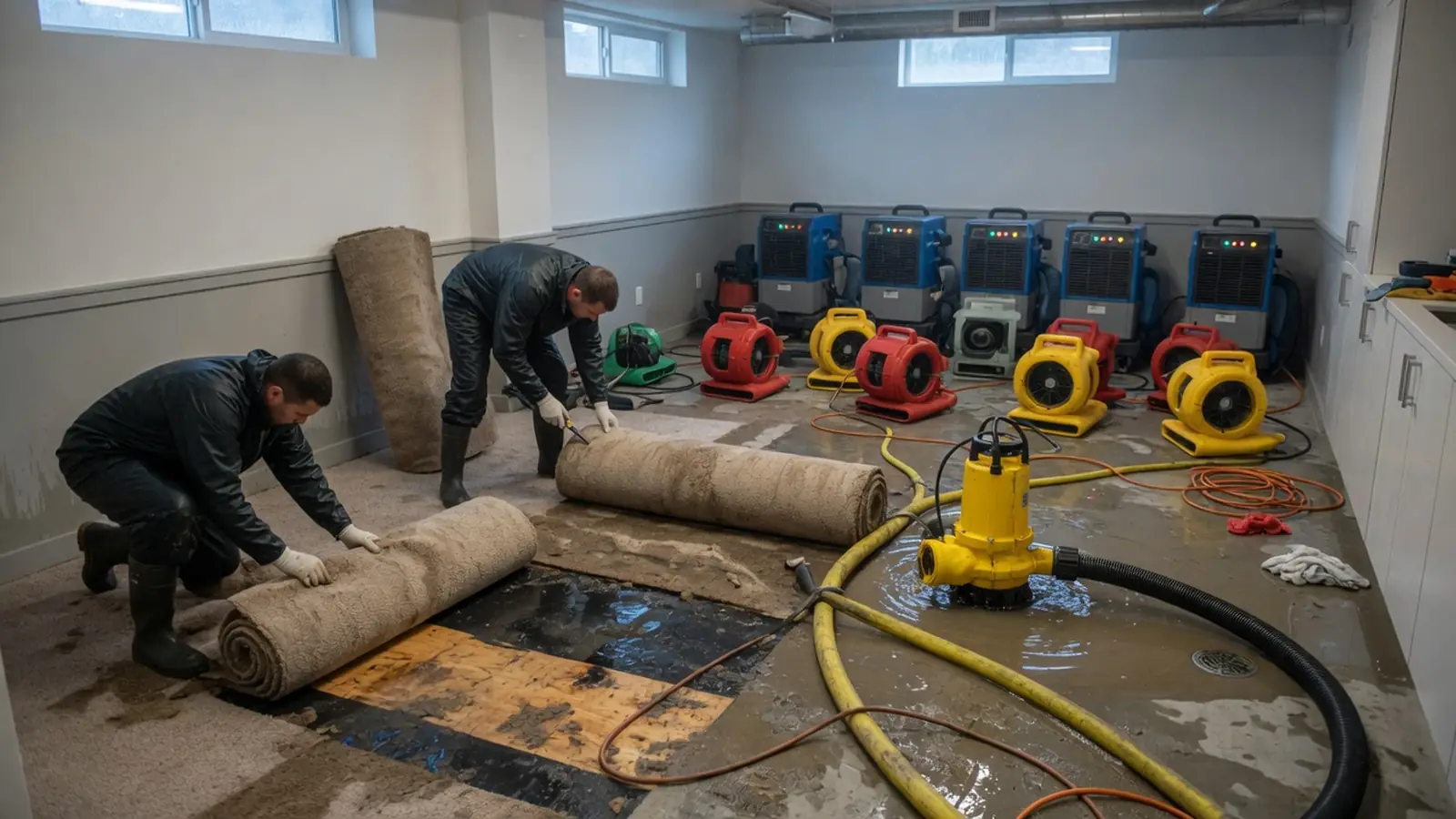
Homeowners require immediate guidance on tear-out procedures for waterlogged baseboards, drywall, and flooring to prevent rapid mold outbreaks following hurricane flooding. When tropical weather inundates your interior, our emergency response specialists extract standing water and stabilize structural materials immediately. We deploy industrial dehumidification systems around the clock to safeguard your property against long-term moisture degradation.
Call (772) 555-0174 to set up an inspection.
Decades Of Local Storm Recovery Experience
Our technicians bring decades of hands-on structural remediation experience to coastal neighborhoods facing severe tropical weather.
The median owner-occupied home locally was built in 1980 according to Census ACS 5-year data, meaning mature wall assemblies often require gentle handling during dry-out.
Our municipality has 22,262 housing units on record in the Census ACS 5-year estimates, ranging from historic coastal bungalows to modern residential subdivisions.
About 20% of housing units in our coverage area (4,413 of 22,262) were built since 2000, so a substantial share of the local stock is still on its original systems.
A widespread pattern highlighted after Hurricane Milton inflicted catastrophic residential destruction across our coastal region, requiring immediate post-storm damage response on aging roofs and saturated drywall.
Property owners inundated by storm surge struggle with the initial muck-out process, framing salvage, and deep sanitization after exposure to dirty floodwaters.
On a recent coastal project near South Beach, our crew stripped salt-laden drywall up to two feet above the waterline and preserved sound structural studs with targeted desiccant drying.
We coordinate comprehensive water damage restoration for flooded homes to halt structural rot before it threatens building integrity.
Every interior undergoes thermal imaging and pin-probe moisture metering before we clear framing for rebuild.
Systematic Storm Damage Mitigation
NOAA radar recorded 2,074 hail signatures within about 15 miles locally between 2021-2025 (2021: 229, 2022: 326, 2023: 551, 2024: 570, 2025: 398). Hail activity around our area is uneven year to year: 2024 logged 570 radar signatures while 2021 logged only 229, a 2.5x spread. Furthermore, comparing the two halves of 2021-2025 around this coastal district, radar hail signatures went from 555 to 968, a rise of 74%, requiring strict post-storm protocols.
- Immediate Hazard Assessment And Water Extraction. Our technicians arrive equipped with heavy extraction units to remove standing floodwater from flooring and basements before deeper saturation occurs. We secure exterior breaches caused by severe wind or flying debris to halt further rainwater intrusion. You can explore how our specialists manage hurricane surge cleanup when ocean water penetrates ground-floor living spaces.
- Controlled Demolition And Material Removal. A frequent question during storm recovery is whether wet ceiling drywall and cellulose attic insulation can be dried in place after a severe storm, or do they need to be removed. Heavy saturated cellulose loses its insulating value and collapses wet drywall, making full removal essential for safety and mold prevention. Technicians strip ruined baseboards and cut drywall cleanly above the flood line.
- Antimicrobial Treatment And Stud Sanitation. Occupants worry about airborne spore exposure and health risks when visible black mold colonies rapidly expand across damp drywall and baseboards. Additionally, property owners are uncertain how to treat surface mold and rusted fasteners on framing studs, or when moisture levels are safe for drywall reinstallation. We apply hospital-grade antimicrobials to bare framing and replace corroded fasteners to ensure sound structural anchoring.
- Industrial Dehumidification And Moisture Clearance. High-velocity air movers and LGR dehumidifiers run continuously while our technicians track drying progress with calibrated psychrometric logs. We do not approve framing for drywall reinstallation until deep moisture readings meet strict industry dry standards. Once ambient relative humidity drops below safe thresholds, we provide a complete dry-out certificate.
Our Uncompromising Workmanship Standard
We never cut corners on structural drying or air quality management. Our certified technicians follow strict ANSI/IICRC S500 standards for water damage restoration, deploying commercial HEPA air scrubbers and botanical antimicrobials on every affected envelope. We verify moisture targets with deep penetrating probe meters rather than surface touch, ensuring hidden framing cavities are completely dry before you begin rebuilding.
Roof Tarping And Emergency Board-Up
When tropical storms compromise roofing shingles or break window glass, immediate exterior sealing protects structural framing from torrential rain. Our crew installs reinforced tarps and exterior plywood barriers to keep your property protected against secondary water intrusion.
Structural Floodwater Extraction
Rapid standing water extraction removes thousands of gallons of storm runoff from saturated floor assemblies. We utilize truck-mounted vacuum pumps and commercial submersible extractors to stabilize interiors within hours of storm clearance.
Attic And Ceiling Cavity Remediation
Wind-driven rain often accumulates above ceilings, saturating blown-in insulation and ceiling drywall. We safely extract collapsed materials, sanitize attic rafters, and direct focused airflow into overhead framing to prevent hidden microbial colonies.
Dedicated Storm Restoration For Coastal Properties
Our rapid-response drying teams bring methodical structural diagnostics and industrial equipment to every weather-related loss. We treat every structure with meticulous moisture logging and strict hygiene protocols to ensure safe, enduring restoration.
- 13Zip Codes Served
- 6Service Areas
- 3Services Offered
Local property owners rely on our emergency drying and structural recovery crews when severe coastal storms breach their homes. Read how our rapid response and careful moisture control helped neighbors recover after major weather events.
“Flooding cut off street access to our block for two days after the squall line passed, but the crew stayed in constant contact and arrived the very hour roads reopened. They brought extra dehumidifiers to make up for lost time and had our subfloors dried down to baseline moisture within three days. Their responsiveness saved our hardwood floors from buckling completely.”
Derek M.
“My elderly mother lives with us and relies on a walker, so having noisy drying equipment everywhere felt overwhelming at first. The team set up clear ramps over their ducting, routed power cords along the baseboards, and kept a bedroom quiet and clean for her while remediating the storm damage in the living room. Their kindness and consideration made a stressful week much easier on my mom.”
Brenda S.
“Another contractor gave us a cheaper quote but only planned to dry the surface carpeting without addressing the wet insulation behind our baseboards. The crew showed us the thermal camera readings proving moisture had migrated four feet up the interior wall cavity, and their thorough tear-out prevented a major mold disaster. Spending a little more for complete drying protected our home from hidden rot.”
Garrett W.
“When roof damage required selective structural ceiling removal, the team pulled the necessary emergency restoration permits immediately and coordinated directly with the municipal building inspector. The inspector passed their structural moisture readings on the first visit without a single objection. That smooth sign-off let our drywall rebuild start a full week ahead of schedule.”
Colleen K.
Frequently Asked Questions
How quickly should water extraction begin after storm flooding?
Water extraction should begin within 24 to 48 hours following a storm to prevent active microbial colonization on damp drywall and structural studs. Delaying mitigation allows floodwaters to wick higher into insulation and wood assemblies, vastly increasing structural damage.
Can waterlogged ceiling drywall and cellulose insulation be dried in place?
Wet ceiling drywall and cellulose insulation cannot be dried in place safely because heavy retained moisture causes sagging and severe mold growth. Saturated cellulose clumps together, permanently losing its thermal resistance and trapping moisture against structural ceiling joists.
How do technicians determine when structural framing is safe for drywall repair?
Framing is ready for repair when calibrated moisture meters confirm wood moisture content has fallen below fifteen percent throughout the framing. Reinstalling wallboard over wet studs locks in humidity, creating conditions where hidden wood rot and mold flourish behind closed walls.
What should homeowners do first when dealing with hurricane storm surge waters?
Homeowners should immediately shut off main electrical breakers and avoid contact with contaminated surge waters until specialists secure the site. Floodwaters frequently carry harsh bio-contaminants and dissolved chemicals that require professional extraction and containment.
How long does a typical storm damage structural drying process take?
Complete structural drying typically requires three to five days of continuous commercial dehumidification and high-velocity airflow operation. Slower-drying materials such as dense framing members or subflooring may require additional monitored drying time.